If you've ever looked at a blood pressure reading like "118/76" and wondered what the two numbers actually mean, you're not alone. Blood pressure numbers are one of the most common health metrics we encounter, especially after 45, but they're not always explained clearly. This guide breaks down what those numbers represent, what ranges are generally considered normal, and when it makes sense to bring your numbers to your doctor. This article is educational only and is not intended to diagnose or interpret your personal health status.
How a Blood Pressure Reading Works
Every blood pressure reading is expressed as two numbers separated by a slash, like 118/76 mmHg (millimeters of mercury — the unit of pressure measurement). These two numbers capture your blood pressure at two different points in your heart's pumping cycle. Understanding each one separately makes the whole reading much easier to interpret.
The measurement itself is typically taken with an inflatable cuff wrapped around your upper arm, either manually with a stethoscope or automatically with a digital monitor. As the cuff inflates and then slowly releases pressure, the device or clinician detects the points at which blood flow starts and stops making sound (or, in digital monitors, detects the associated pulse signals), which correspond to your systolic and diastolic numbers.
What Is Systolic Pressure?
The systolic number is the top, or first, number in a reading. It measures the pressure in your arteries at the moment your heart contracts and pushes blood out into your body. Because this is the point of maximum pressure in the cardiac cycle, the systolic number is typically higher than the diastolic number. Systolic pressure tends to get more attention in general health conversations, especially as people get older, because it often becomes a more significant factor in cardiovascular wellness with age.
What Is Diastolic Pressure?
The diastolic number is the bottom, or second, number. It measures the pressure in your arteries during the brief moment your heart relaxes between beats, refilling with blood before the next contraction. This is the lowest pressure point in the cycle, which is why the diastolic number is always smaller than the systolic number in a healthy reading.
Both numbers matter, and looking at just one in isolation doesn't tell the full story. Your doctor considers both together, along with your broader health history, when discussing your cardiovascular wellness.
Understanding the Ranges
Major health organizations generally describe blood pressure categories along these lines, though your doctor should always be your primary source for interpreting your personal numbers:
- Normal: Generally described as below 120/80 mmHg
- Elevated: Systolic between 120-129 and diastolic below 80
- Stage 1: Systolic 130-139 or diastolic 80-89
- Stage 2: Systolic 140 or higher, or diastolic 90 or higher
These categories are general educational reference points, not a diagnostic tool. A single reading also doesn't tell the whole story — blood pressure naturally fluctuates throughout the day based on activity, stress, hydration, and even the time since your last meal or cup of coffee. This is part of why doctors often look at multiple readings over time, rather than one single number, to get an accurate overall picture.
What Influences Your Numbers
Many factors can cause blood pressure to fluctuate day to day, or even hour to hour. Physical activity, stress, sleep quality, sodium intake, hydration, caffeine, and even the position and support of your arm during measurement can all influence a single reading. This is why a single "high" reading taken during a stressful moment, sometimes called "white coat syndrome" when it happens at a doctor's office, doesn't necessarily reflect your typical numbers.
Age is another natural factor. Blood vessels can lose some elasticity over time, which is part of why cardiovascular wellness tends to become a bigger focus for adults as they move through their 40s, 50s, and beyond. This is also why proactive habits, discussed in our companion article on natural ways to support healthy blood pressure, become increasingly relevant with age.
Support Blood Pressure Already Within a Normal Range
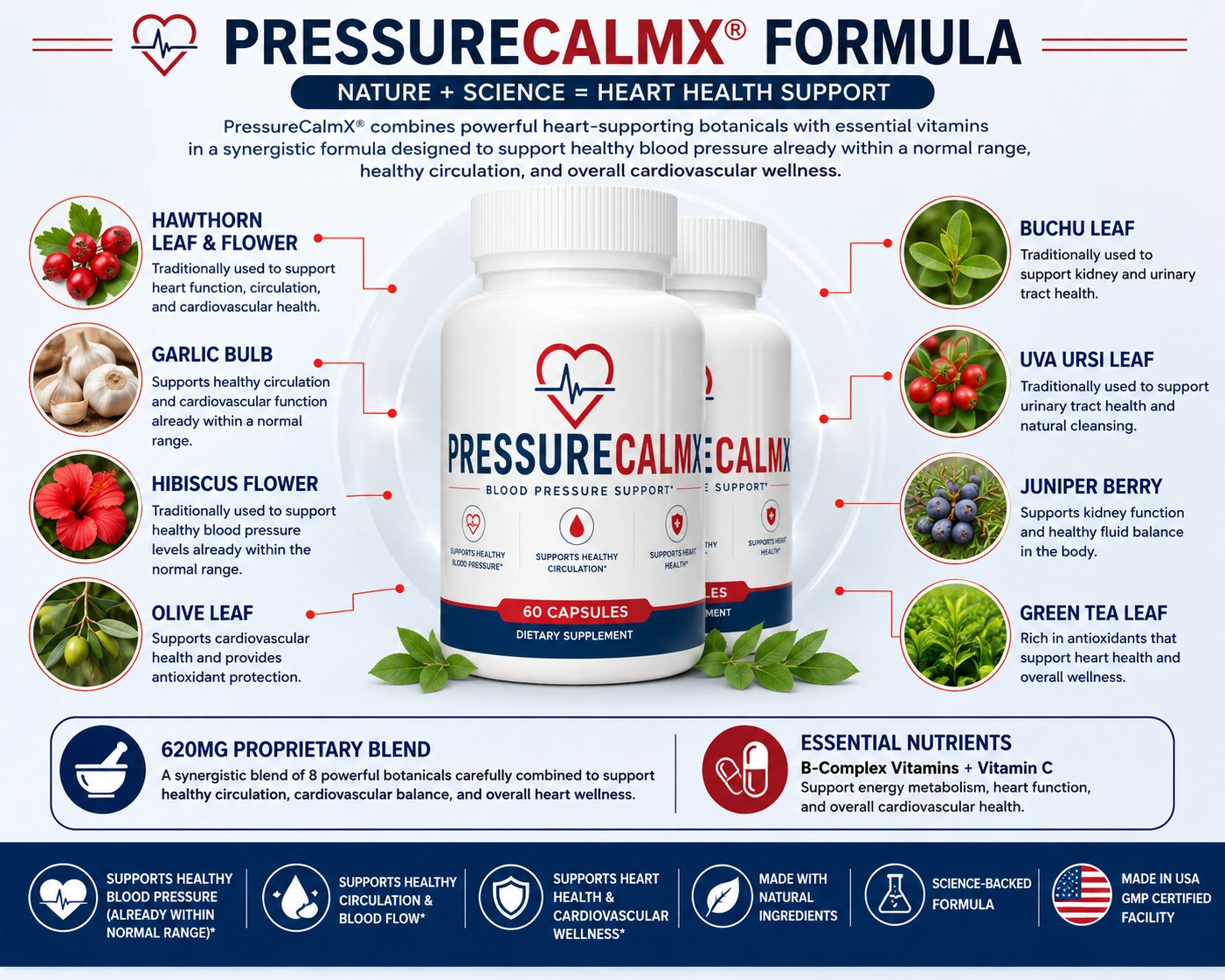
PressureCalmX combines Hawthorn, Garlic, Hibiscus, and 5 more botanicals with B-Vitamins for daily cardiovascular support.
Order PressureCalmX NowMonitoring at Home
Home blood pressure monitors have become widely available and are a useful tool for many adults who want to track their numbers over time, alongside professional care. A few tips for getting a more accurate home reading: sit quietly for five minutes beforehand, keep your feet flat on the floor and your arm supported at heart level, avoid caffeine or exercise in the 30 minutes prior, and take two or three readings a minute apart, recording the average.
Keeping a simple log of your readings, along with the date and time, can be genuinely useful information to bring to your next doctor's appointment, giving them a fuller picture than a single in-office reading.
When to Talk to a Doctor
While this article is educational and not a substitute for medical advice, a few general situations are worth flagging for a conversation with your doctor: consistently elevated readings across multiple checks, a reading that comes with symptoms like severe headache, chest discomfort, or vision changes, or simply not having had your blood pressure checked in the past year. Regular checkups remain one of the most important tools for understanding your personal cardiovascular health over time, and no article, app, or supplement is a substitute for that professional relationship.
Common Misunderstandings Worth Clearing Up
A few misconceptions about blood pressure numbers come up often enough that they're worth addressing directly. First, a single reading is not a diagnosis. Blood pressure is naturally variable, and one elevated number, especially taken in a stressful setting like a doctor's waiting room, doesn't automatically mean anything is wrong. This is exactly why doctors typically want to see a pattern across multiple readings, sometimes taken at home over several days or weeks, before drawing conclusions.
Second, feeling fine is not the same as having numbers in a healthy range. Elevated blood pressure often produces no noticeable symptoms at all, which is part of why regular monitoring matters even when you feel perfectly well. This is also why blood pressure is sometimes referred to in general health conversations as a "silent" metric — it's not something you can reliably self-diagnose by how you feel day to day.
Third, blood pressure numbers are not static. They shift throughout the day, are influenced by dozens of variables, and generally trend gradually over months and years rather than changing dramatically overnight. This is why sustainable lifestyle habits, built consistently over time, tend to matter more than any single short-term intervention.
Making Sense of Your Own Trends
If you do decide to monitor at home, the real value comes from looking at trends over weeks and months, not obsessing over any single reading. Some people find it helpful to note context alongside each reading — what time of day it was, whether they'd just been active, and how they were feeling — since this can help you and your doctor spot patterns. For example, readings might run consistently higher in the morning before your first cup of coffee wears off, or lower in the evening after a relaxed day. Understanding your own personal patterns, rather than comparing yourself to a single universal number, is often the most useful way to think about your cardiovascular data over time.
Frequently Asked Questions
Health organizations generally describe a normal reading as below 120/80 mmHg, though your doctor is the best source for interpreting your individual numbers, since normal ranges can vary by age and health history.
Systolic (the top number) measures pressure in your arteries when your heart beats. Diastolic (the bottom number) measures pressure when your heart rests between beats.
This varies by individual and is best determined with your doctor, who can recommend a monitoring schedule based on your health history and any risk factors.