Blood pressure already within a normal range doesn't stay that way by accident. It's the result of daily habits that add up over months and years. If you're looking for natural, doctor-friendly ways to support your cardiovascular health, these seven areas are consistently highlighted by health professionals as good places to focus your energy.
1. Rethink Your Plate
What you eat every day has more influence on long-term cardiovascular wellness than almost anything else on this list. Diets built around vegetables, fruits, whole grains, lean proteins, and healthy fats — often described as heart-healthy eating patterns — are consistently associated with better cardiovascular outcomes. Practically, this can look like swapping processed snacks for fruit and nuts, choosing grilled or baked proteins over fried options, and building meals around vegetables instead of treating them as an afterthought.
Eating patterns like the Mediterranean-style diet, which emphasizes olive oil, fish, vegetables, and whole grains, are frequently referenced by health professionals as a general framework worth exploring, though the specifics of any eating pattern should be tailored to your individual needs, preferences, and any existing health conditions with input from your doctor or a registered dietitian.
Small, sustainable changes tend to stick better than dramatic overhauls. Adding one extra vegetable serving a day or switching from white bread to whole grain are both low-friction starting points.
2. Balance Sodium & Potassium
Sodium and potassium work as a pair in the body, and the balance between them matters more than sodium intake alone. Many packaged and restaurant foods are high in sodium without being obviously "salty" tasting — canned soups, deli meats, and frozen meals are common culprits. Reading nutrition labels and cooking more meals at home are two of the most effective ways to get a handle on sodium intake.
On the other side of the equation, potassium-rich foods like bananas, sweet potatoes, spinach, and beans can help offset sodium's effects for many people. As always, individual needs vary — if you have kidney concerns or take certain medications, talk to your doctor about the right sodium and potassium targets for you.
3. Move Daily
Regular physical activity is one of the most well-supported natural levers for cardiovascular wellness. It doesn't have to mean intense workouts — brisk walking, swimming, cycling, or even consistent yard work all count. Health organizations commonly point to roughly 150 minutes of moderate activity per week as a general target, spread across most days rather than crammed into one session.
If you're just getting started, or returning to activity after time away, a 10-15 minute daily walk is a reasonable starting point that can be built up gradually. Always check with your doctor before beginning a new exercise routine, especially if you have any existing health conditions.
4. Support a Healthy Weight
Carrying excess weight, particularly around the midsection, is associated with added strain on the cardiovascular system. The good news is that even modest, sustainable weight changes — not dramatic ones — are commonly associated with meaningful improvements in overall cardiovascular wellness markers. This ties directly back to the diet and movement habits above; they work together rather than in isolation.
5. Manage Stress
Chronic stress is increasingly recognized as a factor that can affect cardiovascular health over time. Unlike diet and exercise, stress management often gets deprioritized, but simple daily practices — deep breathing exercises, short meditation sessions, time outdoors, or even a regular hobby — can help create space between you and daily stressors. Many people also find that structured practices like yoga combine gentle movement with stress relief in one habit.
6. Prioritize Sleep
Sleep is often the most overlooked piece of cardiovascular wellness. Poor sleep quality and insufficient sleep duration have both been linked to cardiovascular strain in research. Adults are generally encouraged to aim for 7-9 hours of quality sleep per night. Simple sleep hygiene habits — a consistent bedtime, limiting screens before bed, and keeping your bedroom cool and dark — can meaningfully improve sleep quality over time.
7. Moderate Alcohol & Caffeine
Both alcohol and caffeine can affect cardiovascular measurements, particularly in larger amounts. Moderation is generally the guiding principle here rather than elimination for most healthy adults, though your doctor can advise on what's appropriate for your specific situation, especially if you're taking any medications.
Pair Healthy Habits With Daily Nutritional Support
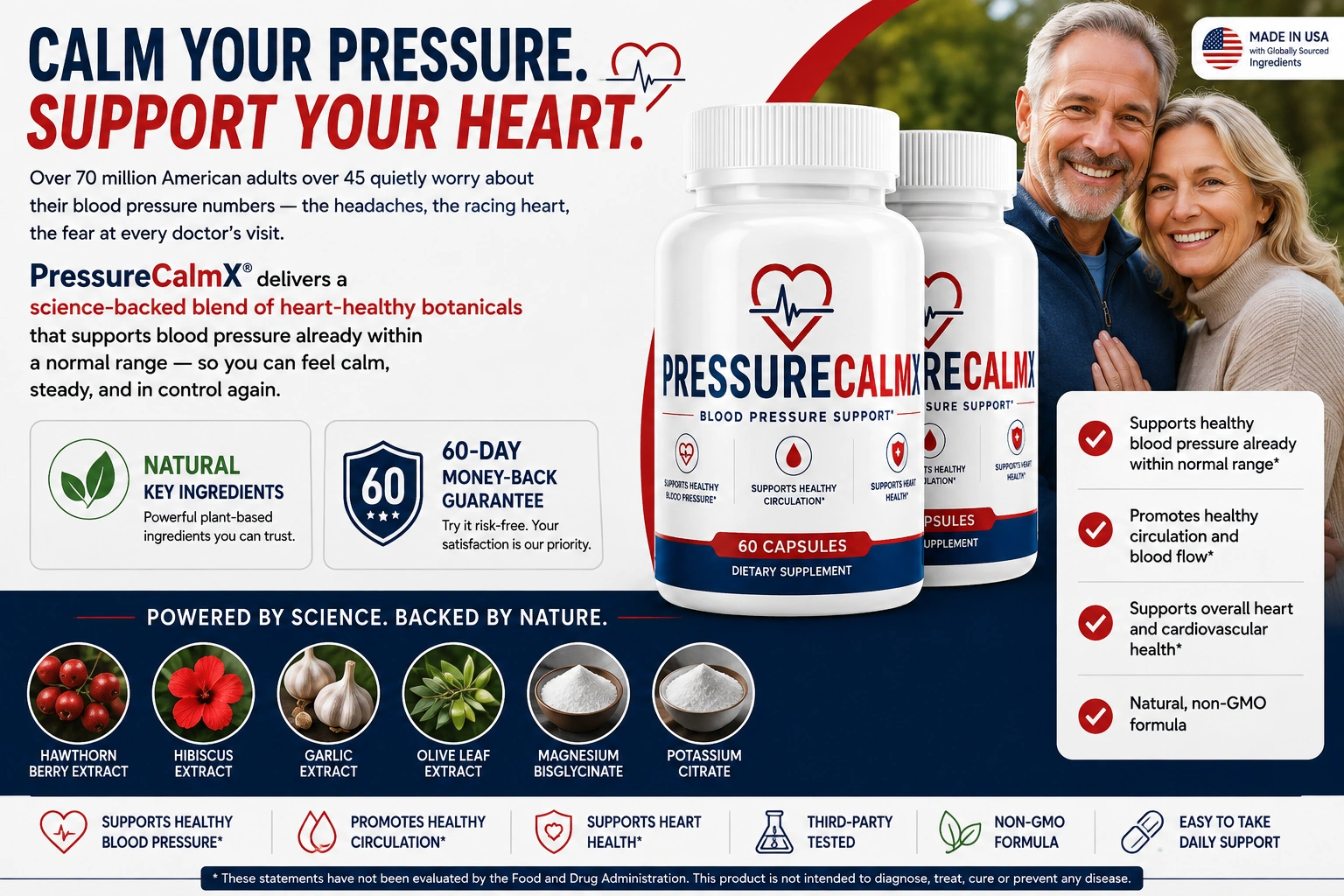
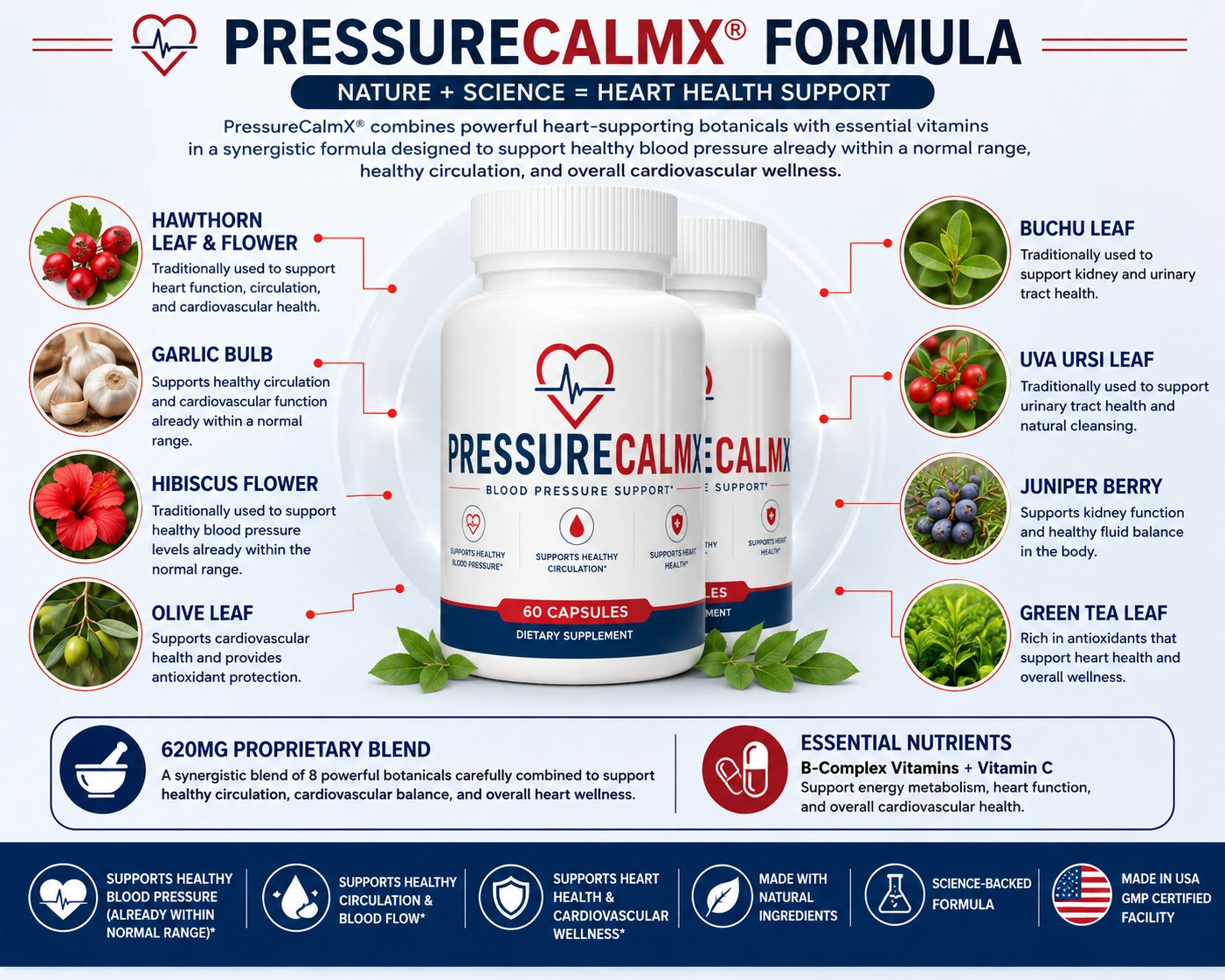
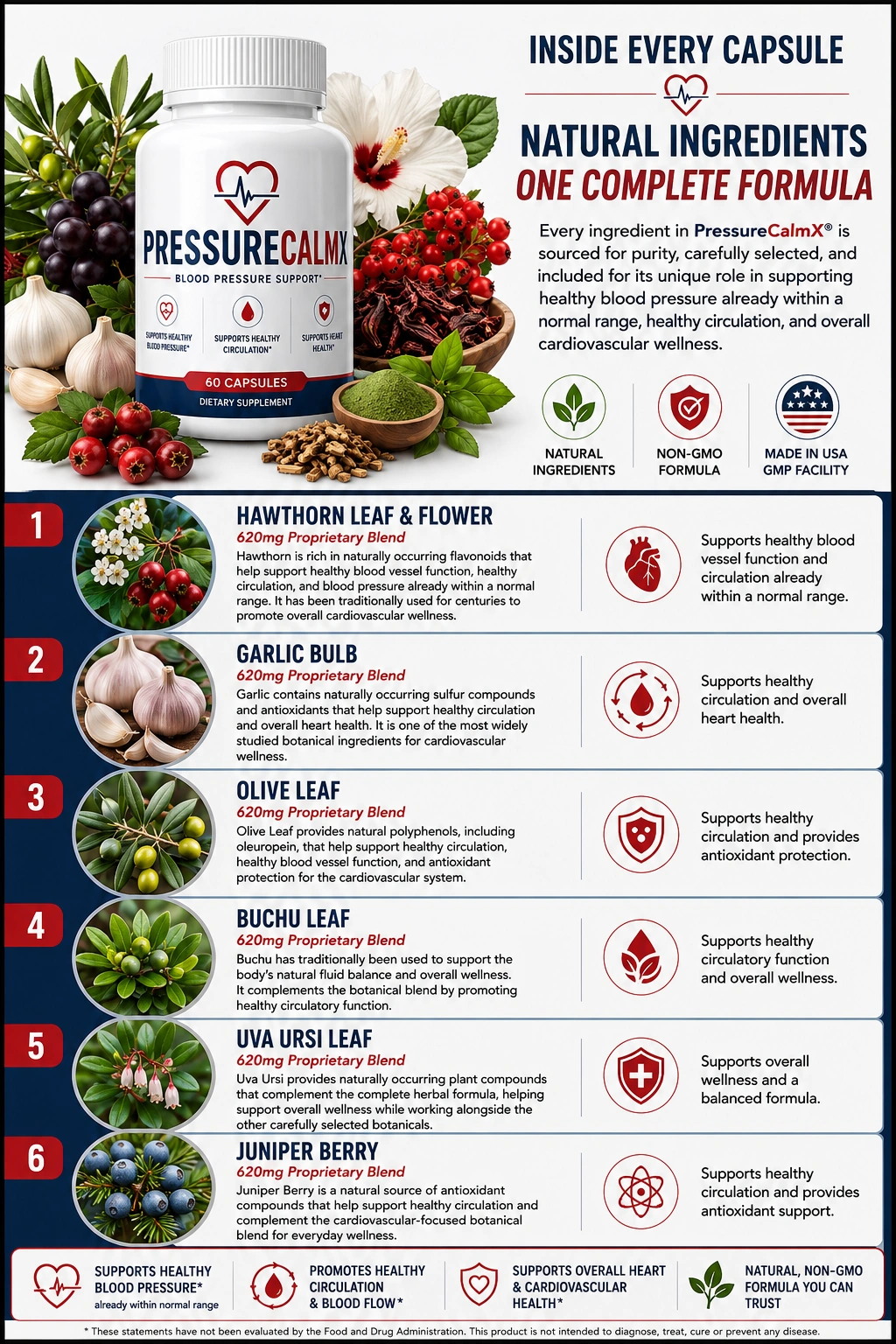
PressureCalmX combines 8 heart-healthy botanicals with B-Vitamins to complement a heart-healthy lifestyle.
Order PressureCalmX NowBuilding a Realistic Weekly Routine
Reading a list of seven habits is one thing; actually building them into a busy week is another. Rather than trying to overhaul everything at once, most people have better long-term success picking one or two areas to focus on first. For example, you might spend the first few weeks simply paying attention to sodium on nutrition labels and adding a daily 15-minute walk. Once those feel automatic, layer in a sleep-hygiene routine or a short daily stress-management practice.
A simple weekly framework many people find helpful: plan your meals for the week on Sunday so healthier choices are the default, schedule your walks like appointments rather than leaving them to chance, and set a consistent lights-out time every night, including weekends. None of this requires special equipment or a significant financial investment — it's mostly about consistency over intensity.
It's also worth tracking your progress in a way that feels motivating rather than stressful. Some people like keeping a simple journal of meals, activity, and sleep; others prefer a wearable device that tracks steps and sleep automatically. Either way, having some visibility into your habits over time can help you notice patterns and stay accountable to yourself.
Working With Your Doctor
None of these seven natural levers are meant to replace medical care or prescribed treatment. If you have a diagnosed cardiovascular condition, take blood pressure medication, or have other health concerns, your doctor is the best resource for understanding which of these habits deserve the most attention in your specific situation. Bringing a list of the changes you're considering to your next appointment is a great way to get personalized, informed guidance rather than generic advice.
Many doctors are also glad to see patients taking an active interest in lifestyle factors, since these habits tend to support overall health well beyond just cardiovascular wellness — better sleep, movement, and stress management contribute to how you feel day to day in countless ways.
Bringing It All Together
None of these seven areas work in isolation, and none of them are quick fixes. Cardiovascular wellness is a long game built on consistent daily choices — what you eat, how much you move, how well you sleep, and how you manage stress. Layered together, and combined with regular checkups with your doctor, these habits form a solid natural foundation for supporting blood pressure already within a normal range. Many people also choose to complement these lifestyle habits with a daily nutritional supplement formulated for cardiovascular support, as one additional piece of a broader, sustainable routine.
Whichever habits you choose to prioritize first, remember that consistency compounds. A single healthy meal or one good night's sleep won't transform your cardiovascular wellness, but repeated day after day, week after week, these small choices become the foundation of long-term heart health. Give yourself permission to start small, build gradually, and treat this as an ongoing relationship with your own wellbeing rather than a short-term project with a finish line.
Frequently Asked Questions
For many people, moderating sodium intake and balancing it with potassium-rich foods is one of the most well-established dietary levers for supporting blood pressure already within a normal range. Individual needs vary, so it's worth discussing with your doctor.
General guidance from health organizations points to about 150 minutes of moderate activity, like brisk walking, per week, though your doctor can help tailor this to your specific situation.
Chronic stress is widely recognized as a factor that can affect cardiovascular wellness over time, which is why stress management techniques are often recommended alongside diet and movement.