Turning 45 doesn't change much overnight, but it's a reasonable point to start paying closer attention to your cardiovascular wellness. Health professionals often point to this stage of life as a natural inflection point — not because anything dramatic happens, but because small, gradual changes in the cardiovascular system tend to accumulate with age, and proactive habits now can make a meaningful difference over the following decades.
Why 45 Is a Turning Point
As we age, blood vessels naturally lose some elasticity, and years of accumulated lifestyle factors — diet, activity level, stress, sleep — start to show their combined effect more clearly. This doesn't mean cardiovascular decline is inevitable; it means the habits you build now have a longer runway to pay off. Many of the same fundamentals that support wellness at any age become especially valuable starting in your mid-40s.
It also tends to be a season of life with real logistical shifts — careers may be more demanding, family responsibilities can pull attention in many directions, and the routines that worked in your 20s and 30s may no longer fit. Rather than viewing this as a barrier, many people find that intentionally rebuilding their daily habits around this new stage of life is exactly what makes lasting change possible, rather than trying to force old routines into a schedule that's changed.
1. Make Walking Non-Negotiable
Of all the habits on this list, consistent walking may offer the best return on a small daily time investment. It's low-impact, requires no equipment, and can be worked into an existing routine — a walk after dinner, a walking meeting, or parking further from the entrance. Health organizations commonly reference roughly 150 minutes of moderate activity per week, and walking is one of the most accessible ways to get there.
What matters most is consistency rather than intensity. A 20-minute walk five days a week is more valuable long-term than an occasional intense workout followed by weeks of inactivity. If mobility or joint concerns make walking difficult, swimming, stationary cycling, or water aerobics offer similar cardiovascular benefits with less impact on joints — the right form of movement is simply the one you can do consistently and comfortably.
2. Stay Consistently Hydrated
Hydration is an underrated piece of cardiovascular wellness. Your blood is largely water, and proper hydration supports healthy circulation and helps your cardiovascular system function efficiently. As we age, the body's natural thirst signal can become less reliable, which means it's worth being intentional about hydration rather than waiting to feel thirsty. Keeping a water bottle visible on your desk or counter is a simple way to build the habit passively throughout the day.
3. Eat for Your Heart
Heart-healthy eating after 45 doesn't need to mean a restrictive diet. It generally means shifting the balance of your plate — more vegetables, fruits, whole grains, and lean proteins, less processed food and added sodium. Fatty fish, nuts, olive oil, and leafy greens are frequently highlighted for their cardiovascular benefits. As covered in more depth in our companion article on natural ways to support healthy blood pressure, small, sustainable dietary shifts tend to outperform dramatic short-term diets.
4. Keep Up With Routine Checkups
It's easy to let annual checkups slide when you're feeling generally fine, but regular visits are one of the most valuable tools for catching small changes early and having an ongoing conversation with your doctor about your cardiovascular wellness. Bring questions, bring a log of your blood pressure readings if you track them at home, and treat these appointments as a proactive checkpoint rather than something to schedule only when something feels wrong.
Add Daily Cardiovascular Support to Your Routine
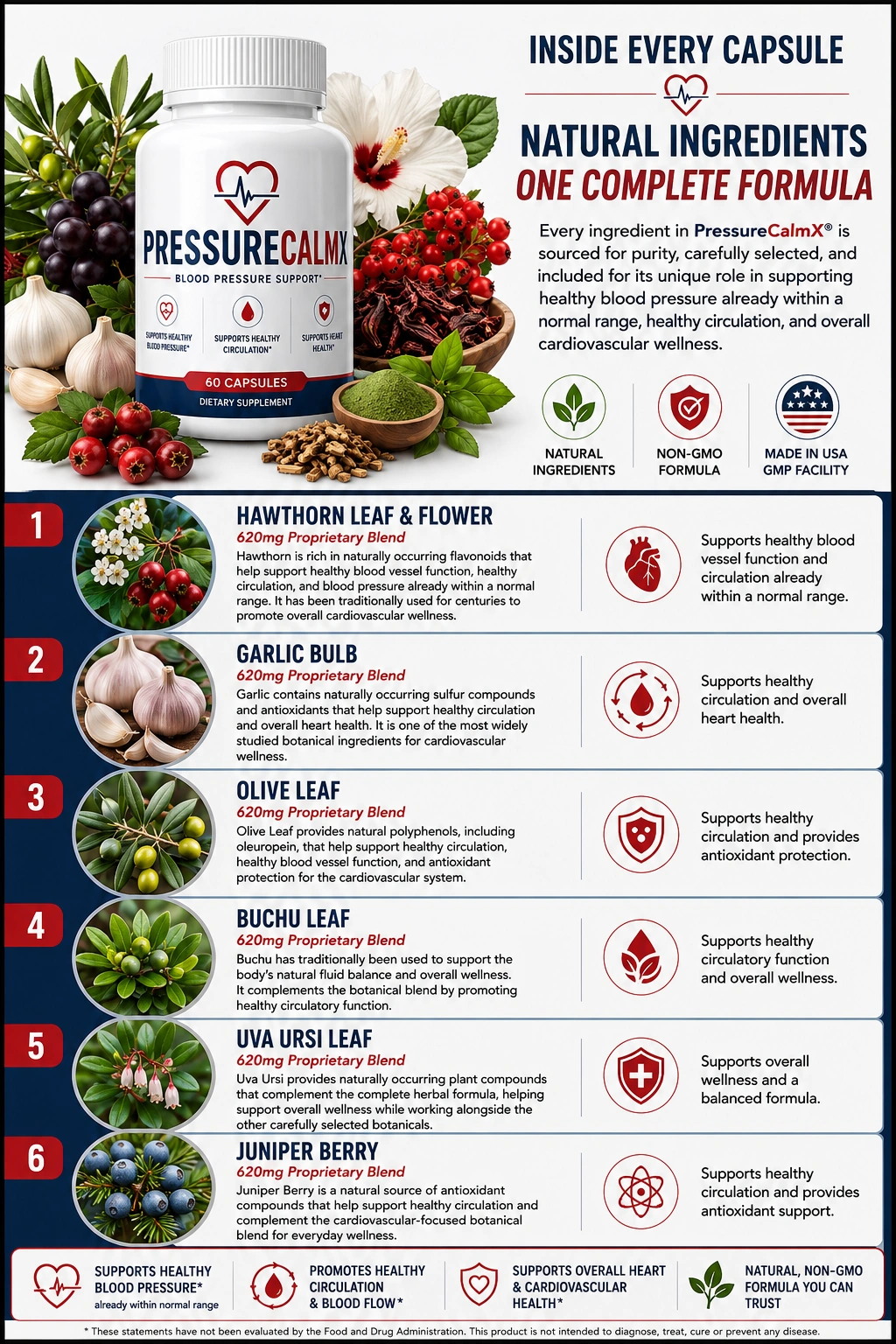
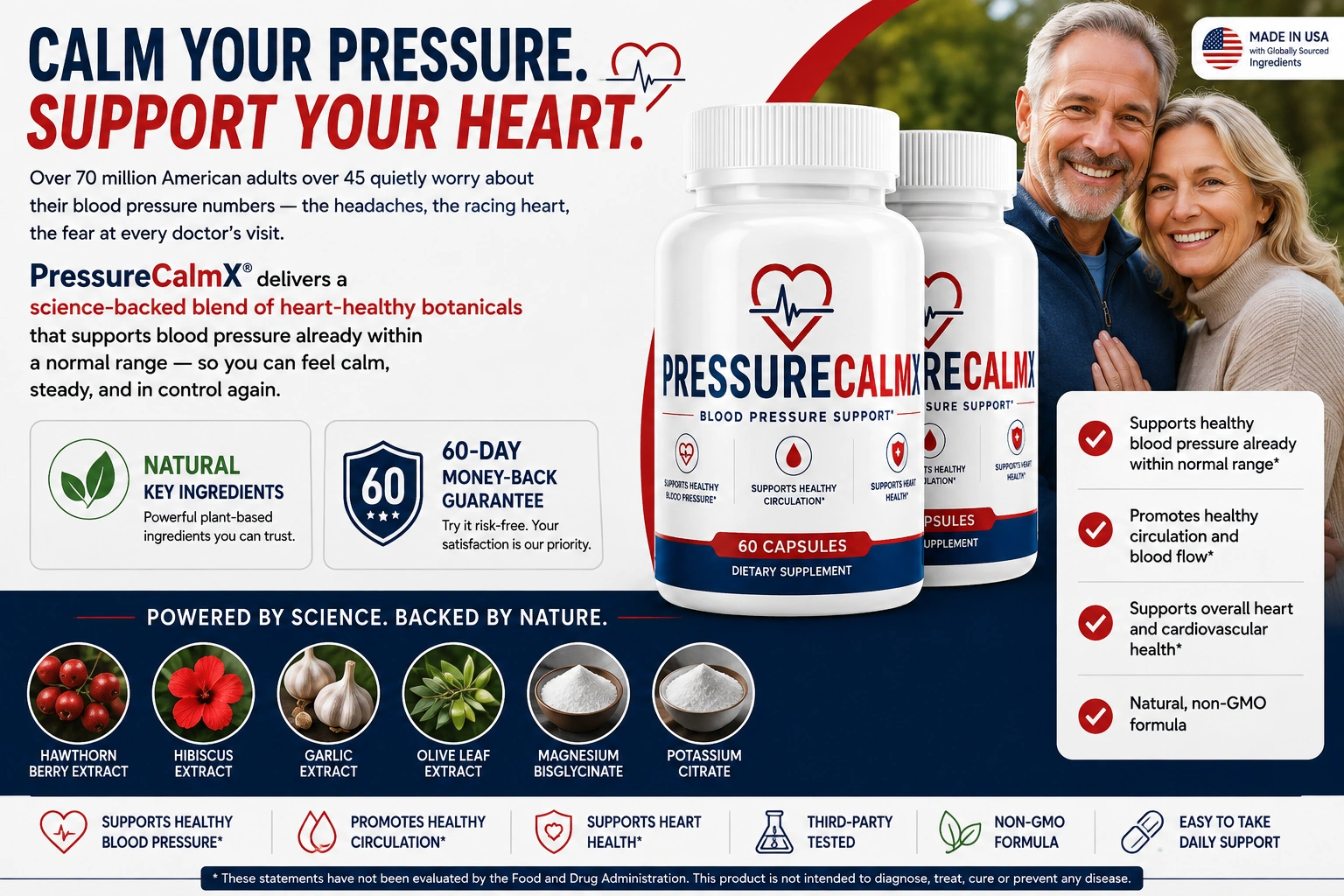
PressureCalmX combines 8 heart-healthy botanicals with B-Vitamins to complement your heart-healthy habits.
Order PressureCalmX Now5. Protect Sleep & Social Connection
Two habits that don't always make it onto heart-health lists are sleep quality and social connection, but both are increasingly recognized as meaningful factors in overall wellness. Poor sleep has been linked to cardiovascular strain, while strong social ties and a sense of purpose are consistently associated with better health outcomes across the board. Simple steps — a consistent bedtime, regular time with friends or family, staying engaged in hobbies or community activities — support both your mental and cardiovascular wellness simultaneously.
Retirement, grown children moving away, or the loss of longtime coworkers can quietly shrink a person's social circle in their 40s, 50s, and beyond. Being intentional about maintaining and building new connections — a standing coffee date, a class, a volunteer commitment, a walking group — is as much a part of a heart-healthy lifestyle as diet and exercise, even though it rarely gets framed that way.
6. Consider Daily Nutritional Support
Alongside diet, movement, hydration, and checkups, many adults 45+ choose to add a daily nutritional supplement formulated specifically for cardiovascular support. This isn't a replacement for the habits above, or for medical care, but rather one additional layer of consistent, daily support. Look for formulas built around well-researched botanicals and meaningful vitamin content, taken as part of a broader, sustainable routine rather than a stand-alone fix.
Setting Realistic Expectations
One of the most important mindset shifts for building heart-healthy habits after 45 is accepting that this is a long-term project, not a 30-day challenge. Unlike a crash diet or an intense short-term fitness program, the habits described here are meant to become a permanent part of how you live, which means they need to be sustainable enough to stick with for years, not just weeks. This is why so much of the advice in this guide emphasizes small, low-friction changes over dramatic overhauls — a habit you can realistically maintain indefinitely will always outperform an intense routine you abandon after a month.
It's also worth giving yourself grace for imperfect weeks. Missing a few walks, having a stressful week that disrupts your sleep, or enjoying a higher-sodium meal at a family gathering doesn't undo your progress. What matters most is the overall pattern across months and years, not any single day.
Involving Family & Friends
Many of the habits covered here become significantly easier to maintain with company. A daily walk is more enjoyable, and more likely to actually happen, with a spouse, friend, or neighbor. Cooking heart-healthy meals together can turn a chore into a shared, even social, activity. Some people find that framing these changes as a shared family project, rather than a solo health mission, helps everyone involved stay more consistent and accountable.
Tracking Progress Without Obsessing Over It
A light-touch way to stay motivated is tracking a few simple metrics over time — not to obsess over daily fluctuations, but to notice broader trends across months. This could be as simple as a notes app entry each week logging how many days you walked, how your sleep felt on average, or how many home-cooked meals you had. Wearable devices and smartphone apps can automate much of this if you prefer a more hands-off approach. The goal isn't perfect data; it's enough visibility to notice whether your habits are trending in the direction you want, and to celebrate the small wins along the way.
Building heart-healthy habits after 45 isn't about perfection. It's about stacking small, sustainable choices — regular movement, mindful eating, good hydration, quality sleep, and consistent medical care — that compound meaningfully over the years ahead.
Frequently Asked Questions
As we age, blood vessels naturally lose some elasticity and cardiovascular risk factors can accumulate, which is why many health professionals recommend adults become more proactive about heart-healthy habits starting in their 40s.
General hydration guidance varies by individual, activity level, and climate, but staying consistently hydrated throughout the day supports overall circulation and wellness. Your doctor can help you determine the right amount for you.
This varies by individual health history, but annual checkups are a common general recommendation, with more frequent visits if you have existing risk factors. Your doctor can recommend the right schedule for you.